Program Only
12 months of self-guided digital lessons, audio, visualisations and guides. Includes Ask Chuck, 24/7 AI recovery support; no human support.
If anxiety returns every time therapy finishes, it may be because the treatment reduced symptoms without fully changing the cycle that maintains them, because support ended before new responses were secure, or because the treatment did not fit the condition. It may also be that therapy helped during crisis but the underlying pressures and behaviours were never reviewed after the crisis passed.
Repeated relapse deserves a fresh assessment, not a label such as “treatment resistant” based only on the number of courses you have tried. Different therapies, therapists, formats, and goals can produce very different experiences. A careful clinician will ask what improved, what never changed, and what happened in the weeks before each recurrence.
Therapy often provides structure, accountability, reassurance, and a regular opportunity to notice patterns. When it ends, the sudden absence of that structure can make ordinary uncertainty feel louder. If you learned to use the therapist as the final check that you were safe, ending sessions can also expose a reassurance loop that was never fully addressed.
This does not mean therapy created the problem. It means the transition out of therapy is part of treatment. A planned ending can include relapse-prevention work, early warning signs, a written response plan, and clarity about when to return for support. If every ending has been abrupt, that is worth raising directly.
Support can help you practise new responses. Dependence develops when confidence rests on another person repeatedly confirming that a sensation, thought, or decision is safe. The distinction is subtle and not a criticism of either you or your therapist. The goal is to increase your ability to tolerate uncertainty and respond flexibly when the familiar source of reassurance is unavailable.
A person with panic disorder may need work on fear of bodily sensations; someone with OCD may need exposure and response prevention; someone with generalised anxiety may need a different focus on worry and intolerance of uncertainty. A generic course can be useful, but it may not address the specific process driving your recurrence.
Ask for the treatment formulation in plain language. What is the maintaining cycle? Which behaviour is keeping it active? How will progress be measured after therapy ends? These questions turn “therapy never works for me” into a testable plan.
The Linden Method frames recurring anxiety as an alarm pattern reinforced by attention, fear, and protective behaviours. Its programme encourages people to understand the alarm rather than make symptom removal the condition for continuing with life. That is one possible framework, not a substitute for a clinical review, and it should not be used to dismiss trauma, depression, medication questions, or physical health concerns.
Whether you remain with therapy, seek a different protocol, or explore another structured programme, the durable target is greater freedom of action when anxiety is present. A treatment that helps you build that freedom is more useful than one that only gives temporary certainty.
A practical review
"Bring a timeline of each course of therapy: what improved, what stayed, how it ended, and what returned first. Patterns across courses can reveal the missing piece."
Charles Linden
Founder, The Linden Method
Published 2026-08-31 · Updated 2026-08-31
No. Recurrence can reflect treatment fit, maintaining behaviours, stress, health, or the transition out of therapy. It is not evidence of personal failure.
Yes. A good therapeutic relationship and a treatment matched to your condition are reasonable things to discuss with your healthcare provider.
That depends on your needs and clinical advice. The decision should be collaborative and include a plan for maintaining progress.
A clear next step
The Linden Method uses Threat Recalibration Therapy (TRT™), a structured process designed to recalibrate the automatic threat response that keeps anxiety active. Its focus is the response behind persistent fear, rather than managing each symptom separately. Explore the explanation, evaluation and real recovery experiences, or go straight to the program options.
See the reported outcomes: the evaluation cohort’s average anxiety score moved from 18.28 (severe) to 2.84 (minimal). Read the evaluation for the study details, alongside clients’ own accounts of recovery.
View recovery program optionsThe Linden Method · Fear deactivation
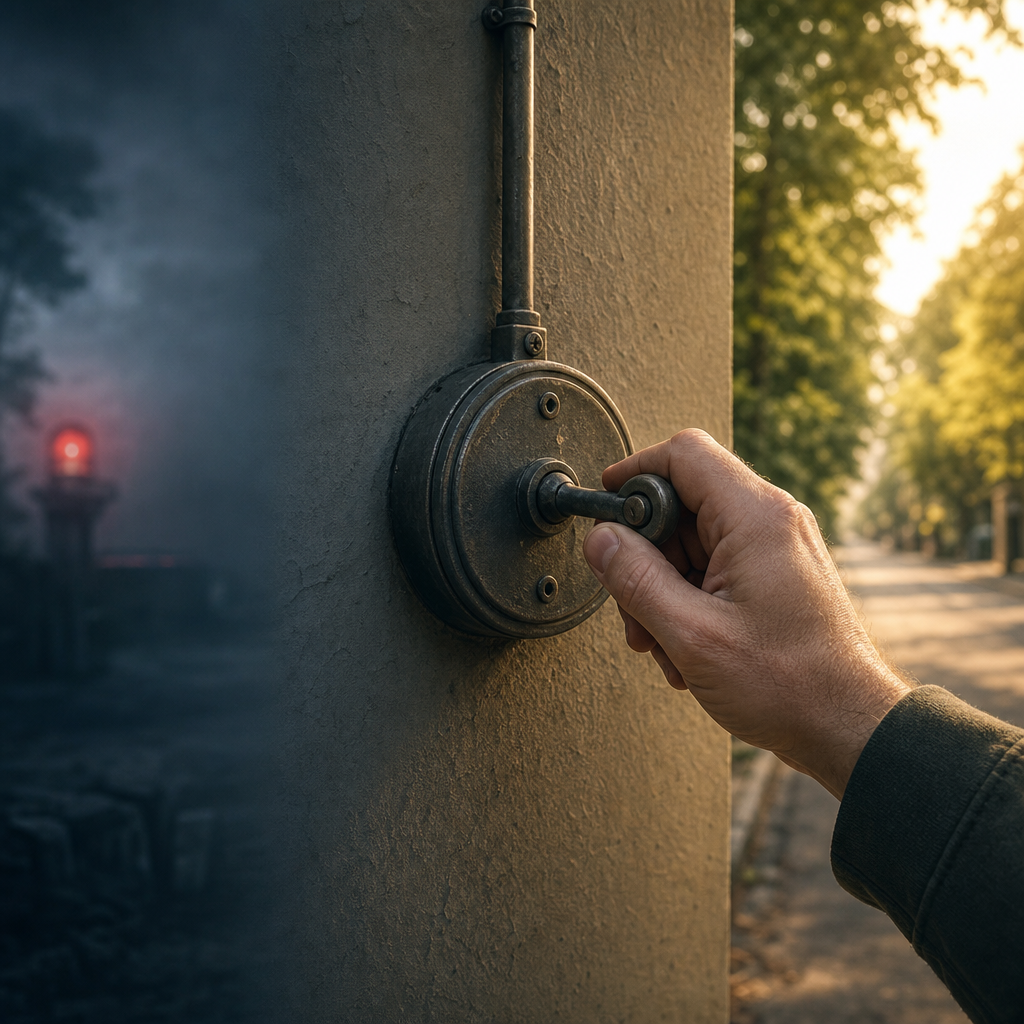
Anxiety can feel like an alarm that has forgotten the danger is over. The Linden Method explains what keeps that alarm switched on — and the process for deactivating it.
From Our Recovery Team
Every coach at The Linden Method has personally been through severe anxiety — and fully recovered using the same approach they now teach.
A personal note from Lara Stagg
Anxiety Recovery Practitioner — LAR Certified
I know exactly what it feels like to wake up every morning already anxious — to constantly scan your body for symptoms, to feel as though something is fundamentally wrong with you and that everyone else is living a life you can no longer access.
I was a working mum running my own business, and health anxiety with panic attacks had quietly taken over every part of my life. I tried everything I could find. Nothing got to the root of it.
When I discovered The Linden Method and finally understood what was physiologically driving my anxiety, everything changed. Within weeks I was free — not managing, not coping, but genuinely free.
I became a coach because I want every person suffering the way I suffered to know that it doesn't have to be this way. The method isn't about willpower or fighting the fear. It's about understanding what the fear actually is — and allowing your nervous system to settle.
"You are not broken. You are not 'too anxious to recover.' You simply haven't yet been given the right information — and that is exactly what we are here to provide."
Lara Stagg
Anxiety Recovery Practitioner — LAR Certified
A personal note from Helena Cole
Anxiety Recovery Practitioner — LAR Certified
My goal — in every session, with every person I work with — is simply this: to help you. Not to analyse your past. Not to give you a toolkit of strategies to manage something that can be removed entirely.
I recovered from an anxiety disorder that had shaped my daily life for years. I know what it feels like to believe that this is just how things are — that the world has shrunk, that the fear is permanent, that you are somehow different from the people who do recover.
You are not different. I was not different. What I lacked — and what I now give to every person I coach — was simply the right understanding.
Recovery is not only possible — it is the most natural outcome when you stop fighting the anxiety and start understanding it. I am here to walk that path with you, at your pace, with no pressure and no judgment.
"You have spent long enough trying to manage this. My job is to help you leave it behind — not manage it better, but leave it behind entirely."
Helena Cole
Anxiety Recovery Practitioner — LAR Certified