Excerpt from original client message
“I did this 10 years ago. So amazing and life-saving.”
The Linden Method The Institute of Applied Psychophysiology
32+ years 650,000+ method users
TRT™ Therapy explains your body’s sensitised fear response and gives you practical steps to recalibrate it—not simply manage symptoms.
The program also covers emetophobia, health anxiety, postnatal anxiety, eating disorders, self-harm, agoraphobia, school phobia, PTSD and social anxiety. This includes tools and explanations for generalised anxiety, monophobia, intrusive thoughts and Pure O, depersonalisation and derealisation.
Secure encrypted checkout · One-time payment
Complete Program + Member Space includes weekly live recovery Q&A webinars and 12 months of ongoing human support. All program options include practical recovery tools and Ask Chuck AI guidance, available 24/7.
How the method works
The Method uses Threat Recalibration Therapy (TRT™) to address a sensitised fear response. The program explains that response and gives you practical instructions, audio and visualisation exercises to follow in daily life.
Learn how the fear response relates to your anxiety symptoms.
Follow its practical instructions, audio and visualisations.
Use what you learn, with team support if you choose a supported package.
The program explains each step and how to follow it.
In their own words
Read what clients wrote about their experience. Each quotation links to the original message.
Excerpt from original client message
“I did this 10 years ago. So amazing and life-saving.”
Excerpt from original client message
“I recommend Charles Linden his method of anxiety recovery was the only thing that worked for me.”
Excerpt from original client message
“I don’t know where I would be today if I hadn’t gone !!”
Retreat / support message
Original accounts · browse the collection
Read accounts from people who used Charles Linden’s method, open their original messages and watch them describe their experiences.
These are accounts from people who used this method. Alongside the explanation and research, you can examine their experiences for yourself.
Explore 499 published message images, 11 selected written accounts and 19 videos here, without leaving this page.
Program evaluation results
An evaluation reviewed the results of 61 people who completed the program. Their average scores on the GAD-7 anxiety questionnaire changed as follows:
The average score after completing the program was 2.84. This is within the 0–4 range for minimal anxiety symptoms and below the usual GAD-7 screening threshold of 10. These are average questionnaire scores for the group, not a diagnosis of clinical cure for each person.
Read more about TRT™ See evaluation detailsProgram details
Every program option includes the recovery lessons, practical tools and 24/7 Ask Chuck AI guidance. Choose Complete Program + Member Space for weekly live recovery Q&A webinars and 12 months of ongoing human support.
Complete Program + Member Space
Ask the team about your symptoms and how to follow the recovery process. These are live, interactive sessions where you can hear answers to your questions and those of other members.
Complete Program + Member Space · 12 months
Contact the team with questions about the program and get help following its instructions. Private coaching is a separate option, with six one-to-one sessions and 12 months of direct messaging.
All program options
Use the structured digital program on your phone, tablet or computer. Work through the lessons and supporting audio at your own pace.
All program options
Follow the TRT™ instructions, guides and visualisation exercises. The lessons explain the fear response, including adrenaline and cortisol, and how it relates to physical symptoms, anxious thoughts and behaviours.
All program options · available 24/7
Ask Chuck offers 24/7 AI recovery support for information and guidance. It is not a human coach or emergency service. For human support, choose Complete Program + Member Space or enquire about personal coaching.
The program covers anxiety, panic, OCD and intrusive thoughts, compulsions, generalised anxiety, social and health anxiety, agoraphobia, school phobia, monophobia, phobias including emetophobia, Pure O (including HOCD and ROCD), PTSD, postnatal anxiety and depression, depersonalisation, derealisation, eating disorders and self-harm.
It also addresses anxiety associated with grief and loss, and explains stress-related physical symptoms and the role of stress hormones. This is not a claim to erase grief or treat an endocrine disorder. Specialist medical care remains important where needed.
Program Only includes the recovery tools and Ask Chuck AI, but no human support or live webinars. Complete Program + Member Space includes human support and webinars for 12 months. Ask Chuck AI is available 24/7; human support is not a 24-hour service.
Program options
Both options include the recovery program. Program Only is self-guided. Complete Program + Member Space also includes 12 months of human support and weekly live recovery Q&A webinars.
Self-guided recovery program
£97
One payment · 12 months of program access
Self-guided access; human support and live webinars are not included.
Choose Program Only — 20% off todayRecovery program with team support
Includes live webinars£197
12 months of membership and human support
Weekly live recovery Q&A with the team. Ask about your symptoms, thoughts and how to follow TRT™. Hear the team’s answers live and learn from other members’ questions.
Prices shown in GBP. Check the order page for current currency, terms and any eligible offer.
Private recovery coaching
Get six private sessions, the full recovery program and 12 months of direct messaging support.
Enquire about personal coachingEnquire for coaching fees
Six private one-to-one sessions, 60 minutes each, with a qualified recovery coach.
Unlimited direct messaging for 12 months, with access to the recovery portal, guidance and resources.
Weekly live recovery Q&A, practical guidance about symptoms, thoughts and feelings, and support for parents of anxious children.
The complete TRT™ recovery program is included.
Ask Chuck — 24/7 recovery support from your AI guide, for information and guidance day and night.
Ask Chuck is an AI guide, not a human coach or emergency service. Messaging support is provided during the included 12-month period; it is not a promise of instant human replies. Enquire for coaching fees.
Before you decide
Access, support and what to expect when you start.
You receive your order confirmation and instructions for accessing the program using the email provided at checkout. If you need help accessing your purchase, contact the team.
Ask Chuck is an AI recovery guide that can provide information and guidance day or night. It is not a human coach or emergency service. Complete Program + Member Space includes human support and live webinars. Private coaching includes one-to-one sessions and direct messaging.
The membership and its human support are for 12 months. Lifetime access to the program continues afterwards; ongoing human support is not included beyond the membership period.
Recovery times vary from person to person. The testimonials describe individual experiences, and the evaluation reports average results for a group. Neither can tell you exactly how quickly you will recover.
No. Program Only is self-guided and does not include human support. Choose Complete Program + Member Space for team support and live webinars, or enquire about personal coaching for private sessions.
The program covers anxiety, panic and OCD, generalised anxiety (GAD), social anxiety, health anxiety, agoraphobia, school phobia, monophobia, PTSD, phobias including emetophobia, Pure O (including HOCD and ROCD), postnatal anxiety and depression, depersonalisation, derealisation, eating disorders and self-harm.
If you need specialist care, continue to seek it. If you are at immediate risk, contact local emergency or crisis support.
Your next step
Choose your program on the order page, or contact us to discuss private coaching and fees.
This section explains the Institute’s history, its account of how TRT™ works and the research it draws on. Research about the fear response helps explain that account, but does not by itself prove TRT™’s results. The program evaluation and its findings are explained above.
The Linden Method · Fear deactivation
Anxiety can feel like an alarm that has forgotten the danger is over. The Linden Method explains what keeps that alarm switched on — and the process for deactivating it.
Do not take this on faith. Understand the mechanism. Listen carefully. Follow the process in order. Then judge it by what changes in your life.

The fear response is a body mechanism, not a personal failure.
The Linden Method focuses on the alarm itself, not life around it.
In the Institute’s evaluation cohort, average scores moved from severe (18.28) to minimal (2.84).
The Linden Method uses TRT™—a structured process developed by the Institute around its account of the biological fear response. Its stated focus is recalibration rather than symptom management; this distinction is the method’s rationale, not proof of a particular outcome.
A method developed around a biological focus
Charles Linden and The Institute of Applied Psychophysiology describe developing TRT™ from their research into the fear-response mechanism and building a structured recovery process around that focus.
More than 650,000 method users
The Institute reports that more than 650,000 people have used the method over 32+ years. This is a usage figure, not a count of confirmed recoveries.
A different point of focus
TRT™ focuses on the sensitised fear response and offers a structured way to work with it. Visitors can review the method’s explanation and the evaluation evidence separately.
The difference is the focus: understanding and recalibrating the learned fear response, rather than relying only on symptom management. The program provides a structured way to put that approach into practice.
Called upon to support survivors of
and many more — in the most difficult moments, The Linden Method has been there.
This statement applies to every anxiety condition
Every condition in this list is a manifestation of the same misfiring biological mechanism.
The same wrong classification. The same wrong treatments. The same biological solution.
World Health Organization (2023)
1 in 8 people worldwide live with an anxiety disorder — officially over 1 billion people, making it the most widespread condition on the planet. The true number is likely far higher: millions are never diagnosed, or are dismissed, or are misclassified. Standard treatment produces lasting recovery in fewer than 1 in 10 patients. WHO Mental Health Fact Sheet, 2023.
There is something nobody has told you.
Not your GP.
Not your therapist.
Not the psychiatrist who prescribed your medication.
Not the counsellor who sat with you for twelve weeks and helped you identify your cognitive distortions.
Not the charity helpline. Not the mental health awareness campaign. Not the wellness app.
Nobody has told you this — and the reason nobody has told you is not that they are cruel or dishonest. It is that they don't know it themselves.
Anxiety is not a mental health condition.
This applies to every anxiety-based condition:
Peer-reviewed position
This is not an opinion or a personal belief. It is a position supported by 40+ years of published neuroscience.
10+ peer-reviewed studies cited on this page
LeDoux (1996) · APA DSM-III/5 · Moncrieff et al. (2022) · Westen et al. (2004) · McEwen (2007) · WHO (2023) · Frances (2013) · Cosgrove & Krimsky (2012) · Bower & Gilbody (2005) · Waite & Holder (2003)
Read that again.
Anxiety is not a mental health condition. It never was. It was classified as one — placed in the Diagnostic and Statistical Manual of Mental Disorders alongside schizophrenia and bipolar disorder in 1980 — because the people doing the classifying did not understand what it actually was. They saw the symptoms. They categorised the symptoms. They named the symptom clusters. And then they built an entire global treatment infrastructure on top of a classification that was wrong.
Reference 1
American Psychiatric Association (1980)
DSM-III — Diagnostic and Statistical Manual of Mental Disorders, Third Edition
First edition to formally classify anxiety disorders as a category of mental disorder, introducing GAD, Panic Disorder, and Phobic Disorders.
Diagnostic classifications influence how conditions are described and which approaches are considered. A classification alone cannot establish the best approach or predict what will help an individual. The Institute’s argument is that attention to the fear response may offer a useful additional way to understand anxiety.
What this means for you
If you have spent months or years trying different forms of support without finding what helps, it can be worth considering another explanation. This is not a judgement of you or the professionals who have supported you.
You were always in the wrong room. Not because of anything you did or didn't do. Because the room was built for the wrong problem.
What the DSM is — and why it matters to you
The Diagnostic and Statistical Manual of Mental Disorders — the DSM — is published by the American Psychiatric Association. It is the definitive reference used by every GP, psychiatrist, psychologist, insurance company, and national health service on the planet. It determines which conditions exist, what they are called, which category they belong to, and which treatments are authorised and funded.
If your condition is in the DSM under "Mental Disorders,":
You will remain in the mental health system — for months, years, or indefinitely — because a mental health system does not have a biological solution for a biological problem.
Reference 1
American Psychiatric Association (1980 / 2013)
DSM-III (1980) and DSM-5 (2013)
The DSM is the primary classification system used globally by clinicians, insurers, and health services to diagnose and commission treatment for mental disorders.
The problem is not the mental health professionals themselves — they simply repeat what they have been taught, despite it being incorrect. The real problem is the book they are all, without exception, working from. That book is fatally flawed.
Reference — DSM & Pharmaceutical Influence
Frances, A. (2013)
Saving Normal — William Morrow / HarperCollins
Allen Frances, chair of the DSM-IV Task Force, publicly warned that DSM-5 was shaped by pharmaceutical industry interests and would produce over-diagnosis and over-medication of ordinary human distress — resulting in millions receiving psychiatric treatment they do not need.
Reference — DSM Panel Conflicts of Interest
Cosgrove, L. & Krimsky, S. (2012)
PLOS Medicine, 9(3), e1001190
69% of DSM-5 panel members had direct financial ties to pharmaceutical companies — compared with 57% on the DSM-IV panels. The panels that define mental illness are predominantly funded by the industry that profits from its treatment.
What this means for you
Your GP, your therapist, your psychologist and psychiatrist — are all following a system. That system told them your condition is a mental disorder. So they gave you mental health treatments. They were doing exactly what the system trained them to do.
The system is wrong. They are wrong to follow its instruction. You deserve better.
Two editions. 43 years apart. The same fundamental error — uncorrected.
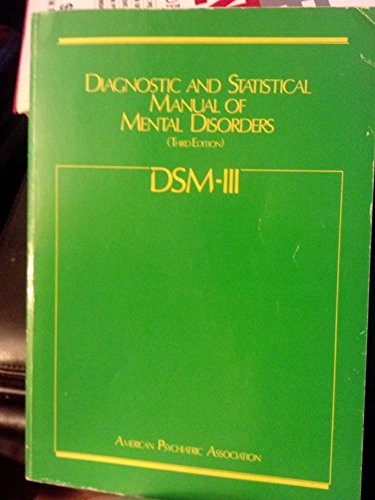
DSM-III · 1980
The edition that first classified anxiety as a mental disorder — the classification that shaped all subsequent treatment worldwide.
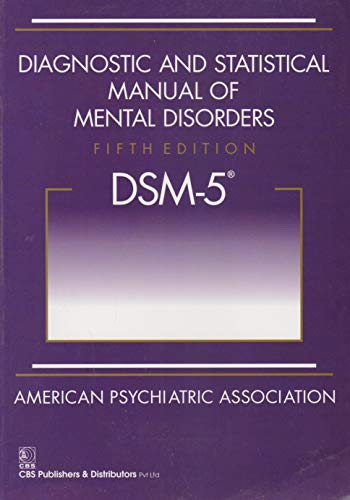
DSM-5 · 2013
The current edition, still in use today. The anxiety classifications from 1980 remain — unchanged in their fundamental assumption.
Case in point — DSM-5, 2013
What the DSM did
In 2013, the DSM-5 moved Obsessive-Compulsive Disorder out of the Anxiety Disorders chapter entirely — placing it in a brand new category called "Obsessive-Compulsive and Related Disorders," alongside Body Dysmorphic Disorder, Hoarding Disorder, hair-pulling and skin-picking conditions.
At a stroke, OCD was separated from anxiety — administratively, diagnostically, and in terms of how it is funded and treated — by a committee that still did not understand what it actually was.
Why this is catastrophically wrong
OCD is not a separate condition from anxiety. It is the template for every anxiety condition. Every single anxiety disorder is OCD in structure: an intrusive fear thought (obsession) followed by a behaviour designed to reduce that fear (compulsion). Panic disorder. Health anxiety. Social anxiety. Agoraphobia. PTSD. All of them run the identical loop — at the level of the amygdala, through the identical biological mechanism.
Separating OCD from anxiety does not reflect a deeper neurobiological understanding. It reflects the opposite: a committee rearranging symptom clusters on paper, further from the biological truth, not closer to it. And millions of OCD sufferers are now directed into specialist OCD services that treat the label — not the mechanism.
The verdict
If the DSM cannot correctly classify the relationship between OCD and anxiety after 43 years — despite the neuroscience being unambiguous — it cannot be trusted as the foundation for any anxiety treatment. And yet every GP, psychiatrist, and health service on the planet still uses it as exactly that.
What this means for you
Despite being classified as a mental illness in one chapter, then reclassified into a different chapter, and grouped with conditions it has nothing in common with — OCD is not a mental illness. Anxiety is not a mental illness.
The Institute’s framework considers a sensitised fear response relevant to both experiences. This is the method’s interpretation, not a statement that diagnostic classifications or causes are universally agreed.
A diagnostic label does not by itself determine what approach is appropriate for you. The Linden Method offers one structured process to consider; individual experiences differ.
Because this is a biological disorder, it has a biological solution.
And biological processes can be completed.
Recovery experiences vary. The reported evaluation and client messages describe group and individual experiences, not a guaranteed result or timeline.
Anxiety conditions currently listed as mental disorders in the DSM-5
The DSM-5 (2013) lists the conditions below in its diagnostic classification. The Institute’s interpretation is that a sensitised fear response is relevant to these experiences; this is a proposed framework, not a conclusion established by the diagnostic manual itself.
300.02
Generalised Anxiety Disorder
Excessive, uncontrollable worry — a misfiring alarm system, not a thought disorder
300.01
Panic Disorder
Recurrent panic attacks — acute activation of the fear response, not a psychiatric episode
300.23
Social Anxiety Disorder
Intense fear in social situations — threat-detection in overdrive, not a personality defect
300.29
Specific Phobia
Includes agoraphobia — conditioned fear responses rooted in biological alarm, not irrational belief
300.3
Obsessive-Compulsive Disorder
Intrusive thoughts and compulsions — a stuck fear loop, not a mental illness requiring psychiatric medication
309.81
Post-Traumatic Stress Disorder
Persistent fear activation after trauma — a biological imprint on the alarm system, not a 'broken mind'
309.21
Separation Anxiety Disorder
Extreme distress at separation — hyperactive threat detection, not a developmental mental disorder
300.02
Health Anxiety
Preoccupation with illness — the fear response targeting the body's own signals, not hypochondria
300.00
Unspecified Anxiety Disorder
A catch-all category that captures millions who do not fit neatly — because the categories themselves are wrong
None of these conditions belong in mental health services.
These classifications were developed for diagnostic use. The Institute argues that considering the fear response may add a different perspective, while general research on fear biology does not establish the effectiveness of any specific recovery program.
The Institute presents TRT™ as a structured way to work with the sensitised fear response. The retrospective evaluation and client accounts offer context, but do not guarantee an individual result.
The reason treatments fail
"They are not poorly delivered.
You are not doing them wrong.
They are aimed at the wrong target."
— Charles Linden
What anxiety actually is
Specifically, it is a disorder of the fear response mechanism — a system in your body that evolved over millions of years to keep you alive by detecting and responding to threat. When this system is working correctly, it activates when there is genuine danger and switches off when the danger has passed.
When this system misfires — activating in the absence of genuine threat, flooding your body with cortisol and adrenaline for no valid biological reason — that is anxiety. And it is this single misfiring mechanism that creates everything we call phobias, obsessive thoughts, panic attacks, intrusive thoughts, compulsions, and every other anxiety symptom. They are not separate conditions. They are the same biological error, expressed differently.
Not a broken mind. Not a chemical imbalance. Not a pattern of distorted thinking.
A biological mechanism that is operating in a disordered way.
Reference — HPA Axis & Cortisol
McEwen, B.S. (2007)
Physiological Reviews, 87(3), 873–904
The hypothalamic-pituitary-adrenal (HPA) axis is the primary biological mechanism for the stress and fear response, releasing cortisol in response to perceived threat. Chronic HPA dysregulation — not cognitive distortion — is the measurable physiological signature of anxiety disorders.
What this means for you
Every symptom you experience — the racing heart, the crushing dread, the exhaustion, the intrusive thoughts, the physical sensations that seem to come from nowhere — is the output of this mechanism running at the wrong level. Not evidence of mental illness. Not a sign of weakness. Evidence that your alarm system is stuck in the on position.
That is all it is. And biological mechanisms that are stuck can be unstuck.
The fear response mechanism
Your Senses Perceive Threat
Real or imagined
Subcortical Alarm
Amygdala fires — before conscious thought ²
Cortisol & Adrenaline
Flood the body
Anxiety Symptoms
Racing heart, dread, avoidance…
The research context: LeDoux describes pathways through which fear responses can be activated below conscious awareness. This research informs the Institute’s rationale, but does not by itself demonstrate that a particular method changes anxiety outcomes.
Reference 2
LeDoux, J.E. (1996)
The Emotional Brain — Simon & Schuster
Established that the amygdala triggers fear responses before information reaches the cortex — the mechanism fires before conscious thought is possible.
“You cannot think your way out of an endocrine process.”
— Charles Linden · founder perspective
Why every mental health treatment has failed you
Cognitive Behavioural Therapy
CBT works at the level of thought. It tries to modify the thoughts that accompany anxiety — to make them less catastrophic, more rational.
But here is what CBT cannot do — even at the level it claims to operate: beliefs are not changed by words. They are changed by data. Your subconscious does not update its threat assessment because a therapist has helped you articulate a more rational response. It updates when the biological evidence changes. You can learn to say different things about your anxiety. You cannot think your way out of an autonomic alarm response.
The fear fires before conscious thought exists. It is subcortical — below the level where language, reasoning, and cognitive reframing operate. CBT is a tool for the cortex. Anxiety lives in the amygdala. They are not in the same conversation.
The result
If anxiety felt lower during CBT, it was not the therapy working — it was reassurance. Human attention, kind words, and the temporary sense of being heard can reduce perceived threat and briefly lower the amygdala's output. When the sessions end, so does the reassurance — and the anxiety returns, unchanged at its root.
Reference 4
Westen, Novotny & Thompson-Brenner (2004)
Psychological Bulletin, 130(4), 631–663
Meta-analysis showing a significant proportion of patients relapse after CBT ends, where the underlying biological mechanism remains unaddressed.
What this means for you
If anxiety eased while you were in sessions and returned when they stopped — now you know why. The CBT process itself did not lower your anxiety. The reassurance of being heard did — temporarily. You were not failing the therapy. But the therapist was not succeeding either. You cannot be skilled at something that cannot work. A practitioner who continues to offer CBT for anxiety disorders is either unaware of the biological evidence — or aware of it, and offering the sessions anyway. Either way, the cost to you is real: time lost, money spent, and the window to use an approach that actually works made narrower.
Antidepressants
SSRIs work by increasing serotonin availability — based on the theory that anxiety is caused by insufficient serotonin.
In July 2022, a major umbrella review published in Molecular Psychiatry examined every piece of evidence for this theory.3 Its conclusion was unambiguous: there is no consistent evidence that people with anxiety have lower serotonin activity than people without anxiety.
The theory is not supported by the evidence. The medication prescribed to hundreds of millions of people worldwide is based on a theory that is not true.
So why do doctors prescribe it? GPs have a term for patients who return repeatedly with anxiety they cannot resolve: "frequent fliers" and "heart-sink patients." Doctors admit openly — in their own literature — that antidepressants are often prescribed not because they are effective, but because they are fast, they satisfy the appointment, and they send the patient away with something. A prescription is a full stop on a ten-minute consultation.
Reference — GP Prescribing
Bower, P. & Gilbody, S. (2005)
British Medical Journal, 330(7495), 839–842
Documents the "heart-sink" patient phenomenon in primary care — the well-established pattern in which GPs default to antidepressant prescription for recurring anxiety presentations not because of efficacy evidence, but to bring the appointment to a close. Antidepressants function as a management tool, not a treatment, within this model.
Any short-term sense of relief is explained by pharmacology, not treatment. SSRIs carry mild sedating effects at therapeutic doses. Antihistamines — which are also routinely prescribed for anxiety — are overtly soporific. A sedated patient feels less activated. They interpret that dulling as the medication "working." It is not. The amygdala setpoint is unchanged. The biological mechanism is untouched. When the sedation wears off, or when the prescription ends, the anxiety is exactly where it was.
The result
When you stop taking it, the mechanism continues. The anxiety returns — often worse. Because the thing generating it was never addressed.
Reference 3
Moncrieff, J. et al. (2022)
Molecular Psychiatry, 27, 3243–3263
Umbrella review of 17 studies. No consistent evidence that people with anxiety or depression have lower serotonin levels. The serotonin hypothesis is not supported by current evidence.
What this means for you
If the medication helped for a while and then stopped — or never worked at all — or if the anxiety came flooding back when you tried to come off it — every one of those experiences now makes complete sense. The drug was designed around a theory that the evidence does not support.
You were not resistant to treatment. You were being treated for the wrong thing.
"This is not a conspiracy. It is not negligence. It is the predictable consequence of a wrong classification made decades ago that has never been corrected — because correcting it would require the entire mental health system to acknowledge that the foundation it has been built on is incorrect. That is a very difficult thing for any system to do. But it is the truth."
— Charles Linden
The evidence — treatment by treatment
This is not a criticism of the practitioners who delivered these treatments. It is an explanation of why the treatments themselves are structurally incapable of addressing a subcortical biological mechanism — and why, in some cases, they actively sustain it.
01
CBT
Cognitive Behavioural Therapy
Why it cannot work
The amygdala fires before conscious thought is possible — making cognitive restructuring irrelevant to the mechanism generating the condition.
Why it can make things worse
Sustained self-monitoring of thoughts and symptoms keeps attention directed at the anxiety, which maintains amygdala arousal and prolongs the condition.
Peer-reviewed evidence
LeDoux, J.E. (1996)
The Emotional Brain — Simon & Schuster
Established that the amygdala activates fear responses via a subcortical pathway — before information reaches the cortex. Conscious thought cannot intercept a process that precedes it.
Westen, Novotny & Thompson-Brenner (2004)
Psychological Bulletin, 130(4), 631–663
Meta-analysis of CBT efficacy studies. Found that a substantial proportion of patients relapse once treatment ends — the authors note this is consistent with addressing a coping strategy rather than resolving the underlying mechanism.
Durham, R.C. et al. (2005)
British Journal of Psychiatry, 187, 147–151
Eight-to-fourteen year follow-up of patients who received CBT for generalised anxiety disorder. The majority continued to experience clinically significant anxiety at long-term follow-up — only a minority achieved stable, sustained recovery without ongoing treatment.
Cuijpers, P. et al. (2016)
World Psychiatry, 15(3), 245–258
Meta-analysis demonstrating that the apparent effect sizes of psychological treatments for anxiety disorders are significantly inflated when studies use waitlist controls rather than active controls. When compared against credible active treatments, CBT's specific advantage is markedly smaller than headline figures suggest.
02
EFT
Emotional Freedom Techniques (Tapping)
Why it cannot work
Tapping pressure points on the skin has no established neurobiological pathway to the amygdala or the hypothalamic-pituitary-adrenal axis that generates anxiety.
Why it can make things worse
Symptom-focused tapping sessions direct sustained attention to the anxiety response, reinforcing the amygdala–cortex feedback loop rather than breaking it.
Peer-reviewed evidence
Waite & Holder (2003)
Psychological Reports, 93(3), 1025–1043
Randomised study comparing EFT with sham tapping at non-acupoint locations and a simple modelling procedure. All three conditions produced equivalent results, demonstrating that the tapping itself has no specific therapeutic effect.
Clond, M. (2016)
Journal of Nervous and Mental Disease, 204(5), 388–395
Systematic review and meta-analysis of EFT trials. Identified significant methodological weaknesses across the EFT literature — including lack of active controls, small samples, and high risk of allegiance bias — undermining any claim to a specific therapeutic mechanism.
03
HYPNOSIS
Hypnosis
Why it cannot work
The amygdala operates subcortically — below the threshold of conscious suggestion or induced relaxation. Hypnotic states do not access the biological mechanism; they temporarily suppress its output at the cortical level.
Why it can make things worse
Relief that depends on an induction state cannot persist outside it. Repeated reliance on hypnotic relaxation can deepen the conviction that anxiety is uncontrollable without external intervention.
Peer-reviewed evidence
LeDoux, J.E. (1996)
The Emotional Brain — Simon & Schuster
The subcortical fear pathway bypasses cortical (conscious) processing entirely. Any intervention requiring conscious participation — including hypnotic suggestion — cannot intercept it at source.
Kirsch, Montgomery & Sapirstein (1995)
Journal of Consulting & Clinical Psychology, 63(2), 214–220
Meta-analysis of hypnosis as an adjunct to CBT. While hypnosis modestly enhanced CBT outcomes, no study demonstrated curative or lasting remission of the underlying anxiety mechanism — the gains were indistinguishable from relaxation effects.
Flammer & Bongartz (2003)
Contemporary Hypnosis, 20(4), 179–197
Meta-analysis of 57 controlled hypnotherapy studies. Effect sizes were moderate and heterogeneous. No study demonstrated persistence of benefit without continued sessions — consistent with management of arousal output rather than resolution of the generating mechanism.
04
EMDR
Eye Movement Desensitisation and Reprocessing
Why it cannot work
EMDR requires a specific traumatic memory to target and reprocess — but anxiety disorders are maintained by a dysregulated biological setpoint, not by a single retrievable memory trace.
Why it can make things worse
Attempting to identify and target a causal memory in a condition with no specific traumatic origin can reactivate distress repeatedly without providing resolution.
Peer-reviewed evidence
Davidson & Parker (2001)
Journal of Consulting & Clinical Psychology, 69(2), 305–316
Meta-analysis of EMDR across anxiety conditions. EMDR was no more effective than other exposure therapies, and the eye movements themselves were found to be an inert component — the mechanism proposed by its developers does not hold.
Lohr, J.M. et al. (1999)
Journal of Behavior Therapy and Experimental Psychiatry, 30(3), 169–184
Comprehensive review of EMDR's empirical status. Dismantling studies consistently find no difference between EMDR with and without eye movements — demonstrating that the defining feature of EMDR is therapeutically inert, and that any benefit derives from exposure, not the protocol.
05
BREATH
Breathing Exercises
Why it cannot work
Controlled breathing regulates the autonomic nervous system's output — temporarily. It addresses the symptom of physiological arousal, not the amygdala setpoint producing it. The relief is real but it ends when the exercise ends. The mechanism is untouched.
Why it can make things worse
When a breathing exercise fails to stop a panic attack — as it often will — many sufferers interpret this as evidence that their anxiety is beyond management. That conclusion is anxiety-provoking in itself, and reinforces the belief that the anxiety is uncontrollable.
Peer-reviewed evidence
Meuret, A.E. et al. (2008)
Behaviour Research and Therapy, 46(11), 1251–1261
Study of breathing retraining in panic disorder. While capnometry-assisted breathing reduced some physical symptoms, it did not produce changes in the underlying fear mechanism — consistent with symptom management rather than biological resolution.
Schmidt, N.B. & Woolaway-Bickel, K. (2000)
Journal of Consulting and Clinical Psychology, 68(3), 417–424
Controlled trial of breathing retraining as a treatment component for panic disorder. Breathing training did not enhance outcomes beyond standard treatment and in some analyses produced inferior results — leading the authors to question whether it should be retained as a clinical recommendation at all.
What this means for you
If you have tried one or more of these — and felt temporary relief, or no relief at all, or found the anxiety returned when you stopped — that is the expected outcome of treatments aimed at the wrong level. It is not evidence that you are difficult to treat, or that your anxiety is unusually severe, or that recovery is out of reach for you. It is evidence that you have not yet had the right approach. That is all.
The question nobody asks
It is a fair question. The evidence that anxiety is a biological disorder — not a mental illness — has existed for decades. The evidence that CBT, medication, and talking therapies do not produce lasting recovery is not disputed. And yet the system continues, unchanged. There is a reason for that.
The commercial reality
A patient who is cured is a customer lost. A patient who is managed — given enough relief to maintain trust, enough reassurance to return, but never enough resolution to leave — is a recurring revenue stream. This is not a cynical observation. It is the structural logic of a system built around long-term management rather than short-term cure.
Psychiatry, psychology, and pharmaceutical companies do not profit from recovery. They profit from ongoing appointments, repeat prescriptions, and treatment programs that require continuous attendance. A curative methodology — one that works quickly and completely — is a commercial threat to every part of that ecosystem.
Your doctor may be entirely well-intentioned — most are. But they operate within parameters they did not set and cannot change. Those parameters are determined not by clinicians but by commissioning bodies, NICE guidelines, and pharmaceutical frameworks — all of which are shaped, ultimately, by economic and institutional interests, not by what produces the best patient outcomes.
Source: NHS Business Services Authority — antidepressant prescription items in England rose from 31 million (2006) to over 89 million (2022/23), a 187% increase over 17 years, with no corresponding reduction in anxiety or depression prevalence. NHS England prescribing data, 2023.
What the system actually does
Every mental health practice in the current system is calibrated to do just enough. Enough to create trust. Enough to reduce distress temporarily. Enough to bring the patient back. But not enough to resolve the underlying mechanism — because resolving it would end the relationship, end the prescription, and end the income.
This is not a conspiracy of individuals. It is the emergent behaviour of a system whose financial model depends on maintenance, not cure. The practitioners within it are mostly unaware. The structure itself is the problem — and the structure has every incentive to resist change.
Source: NHS IAPT (Improving Access to Psychological Therapies) annual reports measure "recovery" at the point of treatment discharge — not at 6 or 12 months. Independent analyses consistently show high relapse rates post-discharge. NICE guideline CG113 (GAD) and CG159 (social anxiety) mandate CBT as first-line treatment — a guideline authored under pharmaceutical and institutional influence, not solely on recovery evidence. NHS England, NICE, 2011–2023.
Evaluation, accurately described
A retrospective evaluation commissioned by NHS Shropshire included 61 people who completed The Linden Method. Their mean GAD-7 score was 18.28 at the start (severe range) and 2.84 at completion (minimal range).
This was not a controlled clinical trial and did not compare the program with standard NHS care. NHS Shropshire commissioned the evaluation; that is not an NHS endorsement. The figures describe cohort averages, not a guaranteed or predicted result for an individual. Individual results vary.
The system is not failing by accident.
It is succeeding at something other than your recovery.
Understanding this is not cause for bitterness.
It is cause for clarity.
You now know why the treatments you have received have not worked — and you know that the failure was systemic, not personal. That knowledge is the first step toward the approach that actually does work.
Understanding the approach
The Institute explains anxiety in terms of the body’s sensitised fear response. TRT™ is designed around that explanation. Understanding the approach does not guarantee a particular recovery outcome.
01
The Method explains how a sensitised fear response relates to anxiety symptoms. This explanation is not a personal diagnosis or a replacement for advice from your health professional.
02
TRT™ is the Institute’s structured process focused on recalibrating a sensitised fear response. Read the proposed mechanism and the evaluation evidence separately; general neuroscience does not establish outcomes for a specific program.
03
The program is self-guided, with optional membership support or private coaching. Individual experiences and timelines differ.
Understanding the method can help you decide whether it feels right for you.
The Linden Method presents one structured process for working with the fear response. Review what it includes, the support available and the limits of the reported evidence before deciding whether it suits you.
That is the focus of The Linden Method.
The founder’s account
The approach is informed by research and decades of practice. We have helped 650,000 people use it, and the reported evaluation found a severe-to-minimal change in the participating cohort’s average anxiety score. That average is not a guarantee of an individual result.
I had every available treatment. CBT. Medication. Therapy of every variety. None of them cured me.
And then — in 1996 — I understood what was actually happening in my biology.
Everything changed.
That was in 1996. The anxiety has not returned.
In the thirty years since, I have helped over 650,000 people use the method. This figure describes people who have used it, not confirmed recoveries. Individual experiences differ.
Reported use is not a count of confirmed recoveries; individual outcomes vary.
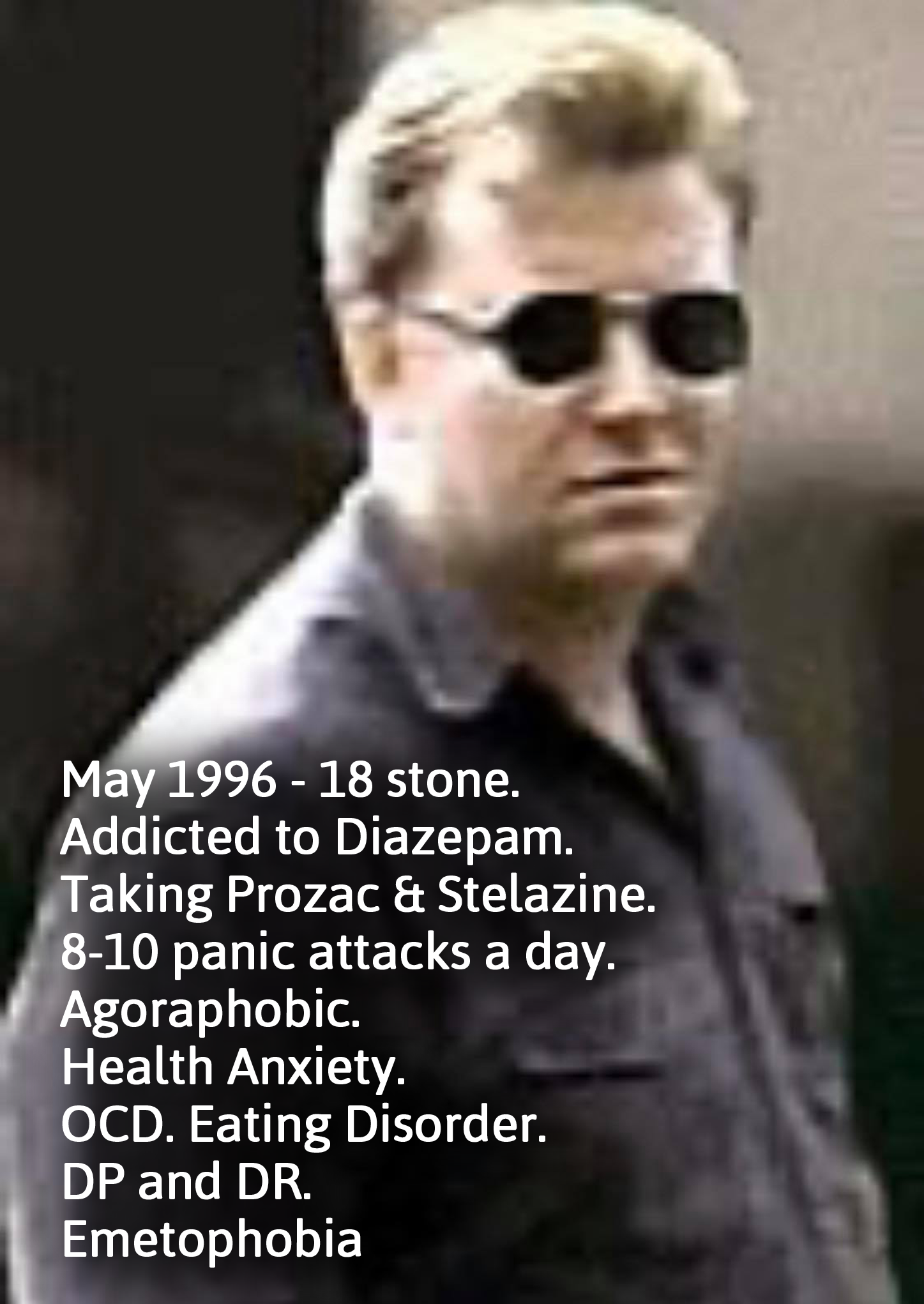
Before 1996
22 years of severe anxiety
After 1996
The founder’s reported experience
650,000+
Method users
32+
Years
20m+
People using wider resources
What this means for you
You are not broken.
You do not have a mental illness.
You are not weak, or damaged, or fundamentally different.
The Linden Method frames anxiety through a sensitised fear response and offers a structured way to work with it.
Different approaches and levels of support are available to explore.
A different focus.
A structured process.
The most important sentence in this statement
Anxiety is not a mental health condition.
The Linden Method offers
a biological framework.
You can read the explanation and evidence, then decide what suits you.
Scientific references
The solution
TRT™ is the Institute’s structured process focused on recalibrating the body’s sensitised fear response. This is the method’s rationale; general research on fear pathways does not by itself establish TRT™ outcomes.
Method history
The Institute reports that more than 650,000 people have used the method over 32+ years. This is a usage figure, not a count of confirmed recoveries.
Researched
The Institute’s account is that TRT™ works with a sensitised fear response through a structured sequence of inputs. Research into fear pathways provides context for that rationale, but does not prove a specific program’s outcomes.
Evaluation
A retrospective evaluation included 61 people who completed the program and reported cohort-average GAD-7 changes. It was not a controlled trial or NHS endorsement, and it cannot predict an individual outcome.
The mechanism — visualised
Traditional therapy — managing the loop
Therapy tries to interrupt the loop from the outside — breathing, reframing, avoidance. The amygdala setpoint never changes. The loop continues.
TRT™ — resetting the source
TRT™ adjusts the amygdala's setpoint directly. The trigger arrives — but the alarm no longer fires. No loop. No anxiety. The biology is corrected at the source.
What to expect — and when
Start with understanding
Learn the method’s framework
The lessons introduce the Institute’s account of the fear response and explain the process used in The Linden Method.
Work through it
Follow the practical steps
Use the program’s video lessons, audio and visualisations at a pace that works for you.
Choose your support
Work independently or with people
Program Only is self-guided. Complete membership and personal coaching add human support. Individual timelines and outcomes vary.
The psychological model that has dominated anxiety treatment for the past century is not wrong because it was careless. It was wrong because it was built before neuroscience could see inside the brain. Now we can. And what we see is unambiguous.
The method’s rationale focuses on the body’s sensitised fear response. TRT™ is the Institute’s structured approach to working with that response; research on fear biology does not by itself prove the outcomes of a specific program.
The method is available to people who want to explore this approach. The evaluation and client accounts offer context, not a guarantee or a claim of universal clinical acceptance.
What TRT™ delivers
A structured approach focused on the sensitised fear response
Practical steps, video lessons, audio and visualisations
Self-guided program access, with optional human support
A choice of Program Only, Complete membership or coaching
Individual experiences and timelines vary
The Linden Method is TRT™ delivered as a complete, self-guided recovery program.
The program presents practical steps based on the Institute’s TRT™ framework. You do not need to study neuroscience to follow the material; whether it is right for you is a personal decision, and outcomes vary.
In their own words
Jemma Kidd
Model & Makeup Artist
Discusses her anxiety recovery using The Linden Method on the Lorraine TV show.
Linda Robson
Actress, Birds of a Feather
Shares her family's experience recovering with The Linden Method.
Gok Wan
TV Presenter & Fashion Consultant
Talks about his anxiety recovery journey with The Linden Method.