Program Only
12 months of self-guided digital lessons, audio, visualisations and guides. Includes Ask Chuck, 24/7 AI recovery support; no human support.
Exposure therapy can make anxiety feel worse temporarily because it asks you to approach situations, sensations, memories, or thoughts that your alarm system has learned to avoid. A short-term rise in fear does not automatically mean the treatment is harmful. However, a significant or lasting deterioration is a reason to pause and review the formulation, pacing, consent, therapeutic support, and whether the protocol fits your condition.
Exposure is not simply forcing yourself into the most frightening situation. Evidence-based exposure is planned, collaborative, and adapted to the person and diagnosis. If you were rushed, felt coerced, were not taught how to respond to safety behaviours, or were exposed to the wrong target, the experience may not resemble a well-delivered protocol.
Avoidance usually lowers fear quickly, which reinforces avoidance. Approaching a feared situation removes that immediate escape and can make sensations more noticeable. The nervous system may produce a strong alarm before learning that the expected catastrophe did not occur, or that the sensation can be experienced without the usual protective response.
Early exposure can therefore feel difficult. The clinical aim is not to prove that you can endure unlimited distress. It is to help you learn something new about threat, uncertainty, and your own responses. Different protocols place emphasis on different learning goals, and no single exposure plan is suitable for every person.
A treatment review is especially important when fear keeps escalating between sessions, avoidance spreads, panic becomes more frequent, sleep collapses, or you feel pressured to continue despite losing trust. It is also important when exposure was not tailored to OCD, trauma, panic, social anxiety, or a specific phobia.
A careful exposure plan is different from flooding, humiliation, or being left without support. You should understand the rationale, agree to the steps, know how to raise concerns, and receive a plan for what to do between sessions. If you felt unsafe or the treatment damaged your trust, tell the clinician plainly and seek a second opinion where appropriate.
The APA describes exposure as a structured treatment that can be adapted to the person and the problem. NICE guidance also distinguishes between conditions and recommends specific psychological approaches. Those sources support a measured, individualised approach rather than a blanket instruction to push through more fear.
The Linden Method does not make deliberate confrontation of every feared situation the centre of its programme. It emphasises understanding the alarm response and reducing the importance assigned to symptoms and protective behaviours. Some people find that distinction helpful; others may need a guideline-based exposure protocol or specialist treatment. The right choice depends on your assessment and circumstances.
Do not interpret this page as medical advice to stop a treatment suddenly. Discuss your experience with the treating professional, and seek urgent help if you cannot stay safe or have severe new physical symptoms.
A fair standard
"Therapy should be challenging at times, but it should remain collaborative, explained, and clinically reviewed when your condition is deteriorating."
Charles Linden
Founder, The Linden Method
Published 2026-08-31 · Updated 2026-08-31
Do not make a sudden decision based only on an online page. Tell your clinician exactly what changed and request a review of pace, target, safety behaviours, and diagnosis.
It can be uncomfortable, but it should be collaborative and appropriately paced. Extreme or sustained deterioration deserves review.
Flooding is prolonged or intensive exposure with limited gradual pacing. It is not the only way to deliver exposure and should not be confused with carefully planned treatment.
A clear next step
The Linden Method uses Threat Recalibration Therapy (TRT™), a structured process designed to recalibrate the automatic threat response that keeps anxiety active. Its focus is the response behind persistent fear, rather than managing each symptom separately. Explore the explanation, evaluation and real recovery experiences, or go straight to the program options.
See the reported outcomes: the evaluation cohort’s average anxiety score moved from 18.28 (severe) to 2.84 (minimal). Read the evaluation for the study details, alongside clients’ own accounts of recovery.
View recovery program optionsThe Linden Method · Fear deactivation
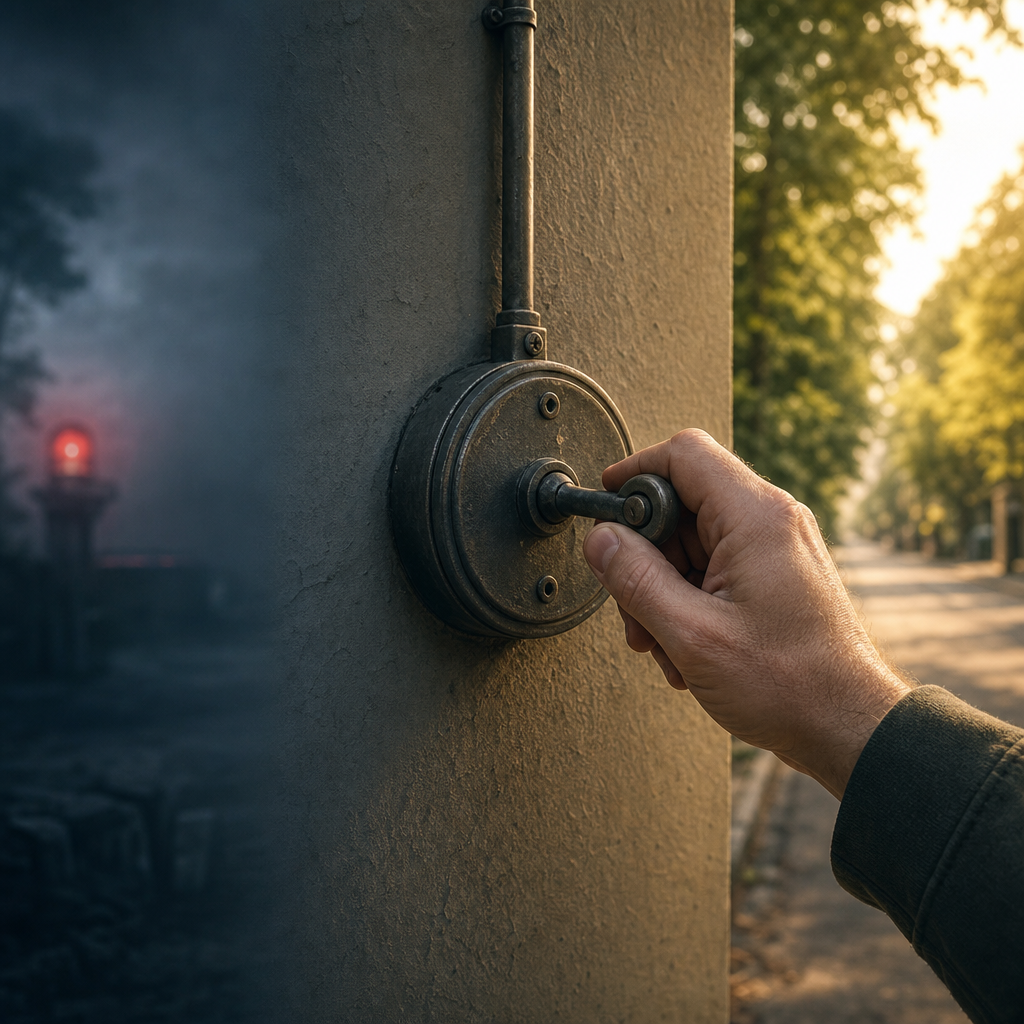
Anxiety can feel like an alarm that has forgotten the danger is over. The Linden Method explains what keeps that alarm switched on — and the process for deactivating it.
From Our Recovery Team
Every coach at The Linden Method has personally been through severe anxiety — and fully recovered using the same approach they now teach.
A personal note from Jodie
Anxiety Recovery Practitioner — LAR Certified
OCD and intrusive thoughts consumed more than a decade of my life. Not the kind you see joked about online — the relentless, exhausting, terrifying kind that makes you question who you are and whether you can trust your own mind.
I spent years hiding it. Functioning on the outside while inside I was engaged in an exhausting battle with thoughts I couldn't control and rituals that gave me minutes of relief before the anxiety returned, stronger than before.
Multiple therapists. ERP. Medication. I committed fully to every treatment I was given. Some of it helped at the edges. None of it stopped the cycle.
The Linden Method reframed everything. The thoughts were not the problem — the elevated anxiety state producing them was. Once I understood that, and once I stopped engaging with the thoughts as though they were meaningful threats, the cycle collapsed.
I recovered completely. I now specialise in supporting people with OCD, Pure-O, and intrusive thoughts because I understand, from the inside, how isolating and misunderstood these conditions are — and how completely recoverable they are.
"OCD is not a life sentence. It is a fear response that has found a very specific channel. Change the response, and the channel closes."
Jodie
Anxiety Recovery Practitioner — LAR Certified
A personal note from Mandy
Anxiety Recovery Practitioner — LAR Certified
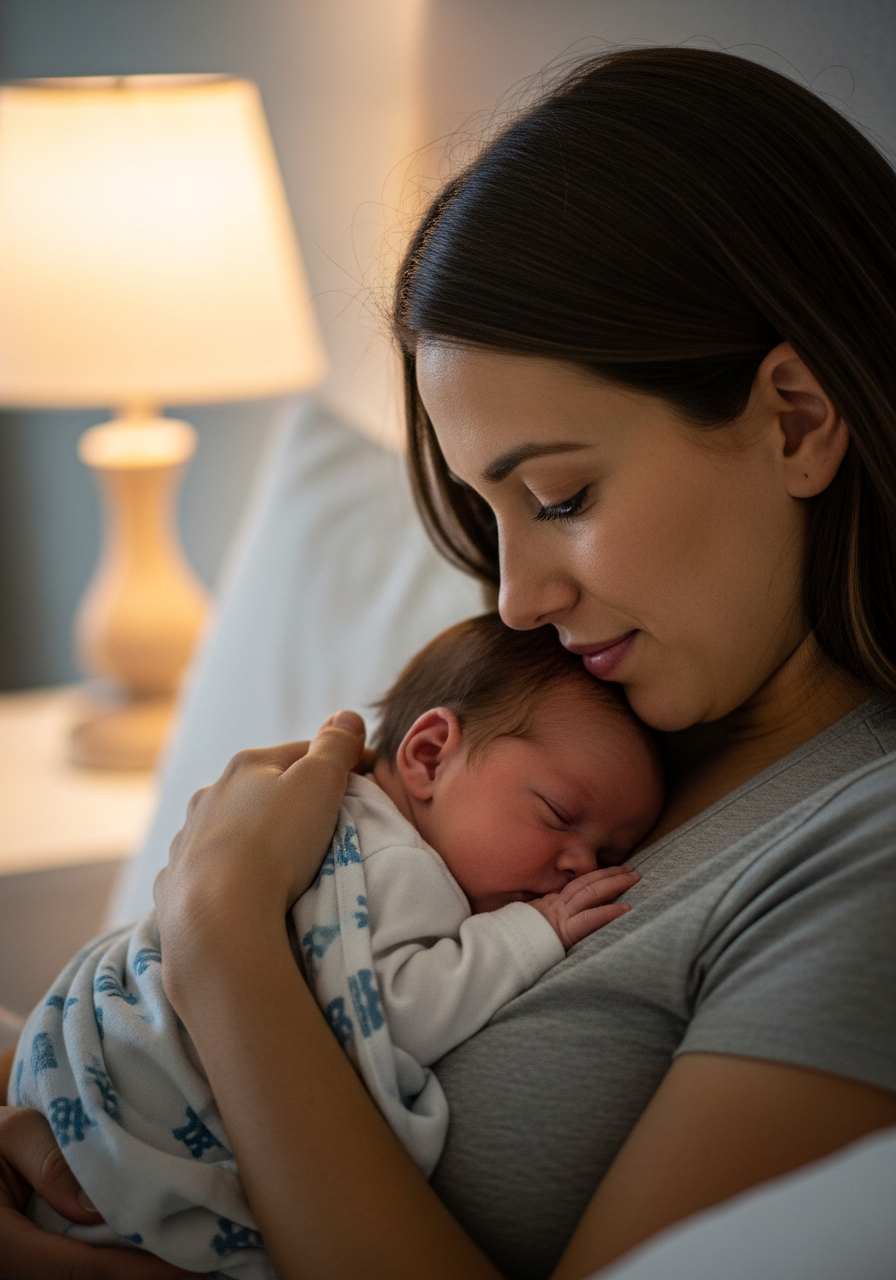
My anxiety began with the birth of my first child. What should have been the happiest period of my life became one of the most frightening — postnatal anxiety that went unrecognised for months, then hardened into panic disorder and intrusive thoughts about my baby's safety.
The shame of it was enormous. How could I be anxious when I had so much to be grateful for? That question made everything worse, because it added guilt on top of fear.
I tried antidepressants, CBT, and a postnatal support group. The group helped me feel less alone. The CBT gave me some tools. But the anxiety persisted through two more pregnancies and into my youngest child's school years.
When I found The Linden Method, I was finally given the biological explanation that made sense of everything I had experienced. The anxiety wasn't a reflection of my character or my love for my children. It was a learned pattern in my nervous system — and it could be changed.
I recovered. I now work specifically with mothers experiencing postnatal anxiety, intrusive thoughts around their children, and the guilt and shame that so often accompany those experiences. This is a condition I understand from the inside, and it is one that responds beautifully to the right support.
"Postnatal anxiety is not a reflection of your love or your capability as a mother. It is biology — and biology can change."
Mandy
Anxiety Recovery Practitioner — LAR Certified