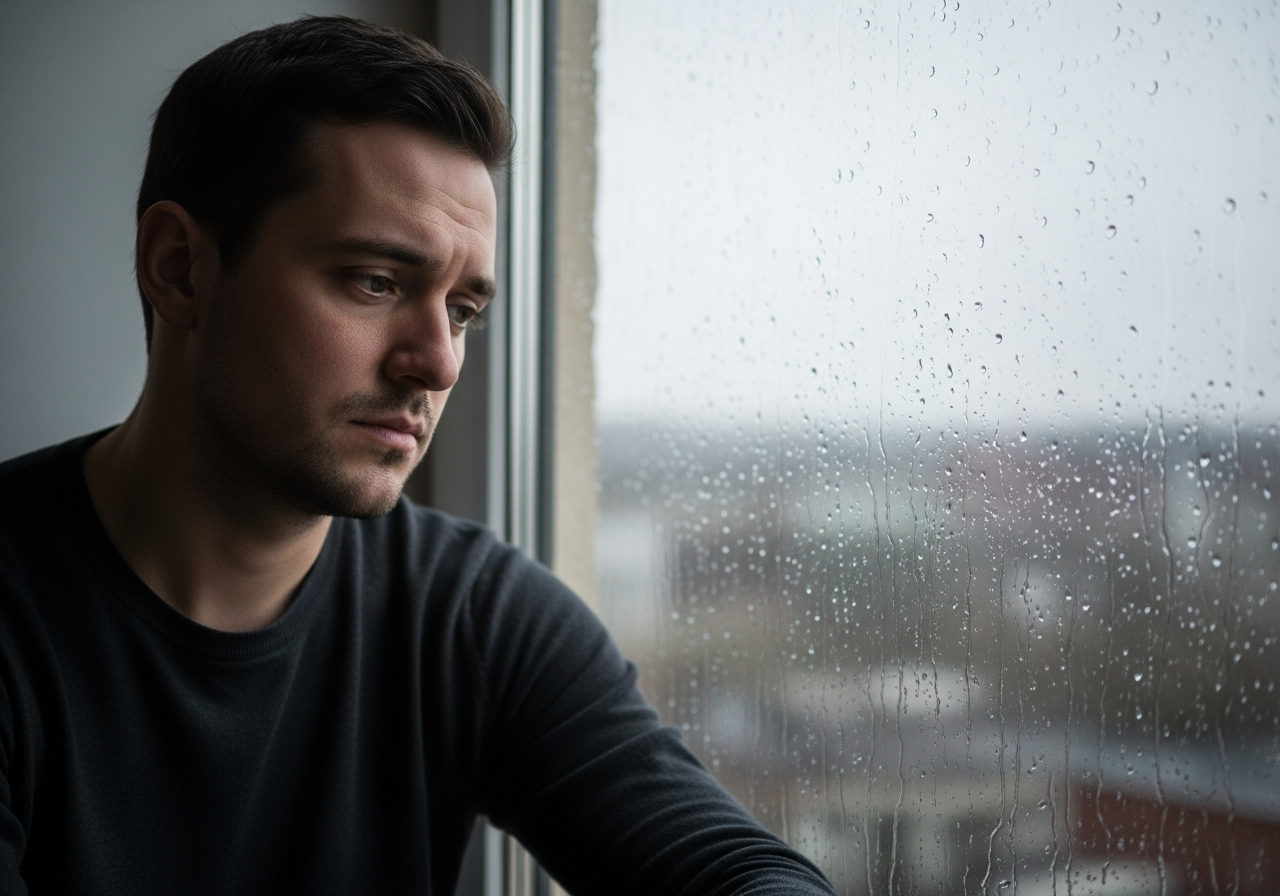
Why am I still anxious on antidepressants?
You may still feel anxious on an antidepressant because medication response varies, the dose or duration may not be right for you, the diagnosis may need review, side effects may be contributing, or medication may reduce symptoms without removing every part of the anxiety cycle. Some people improve substantially; others improve partially or not at all. None of those outcomes can be interpreted safely without a prescriber who knows your history.
The first weeks can also be confusing. Some antidepressants take time to show benefit, and anxiety, agitation, sleep changes, or other side effects may occur during adjustment. Do not stop, increase, reduce, or switch medication based on this page. Contact the prescribing clinician or pharmacist for personalised advice.
What Antidepressants Are Intended to Do
Antidepressants such as SSRIs and SNRIs are used for several conditions, including some anxiety disorders and depression. They are not instant calming medicines, and they do not work identically for every person. The intended outcome may be reduced symptom severity, improved functioning, prevention of relapse, or support that makes psychological treatment more possible.
A partial response is clinically important. You may be sleeping better or having fewer panic attacks while still avoiding places, checking your body, or worrying for hours. Tell your prescriber which parts improved and which did not; “it is not working” is understandable, but a detailed response gives them more information.
Reasons Anxiety May Continue
Persistent anxiety can reflect an incomplete response, a different or additional condition, ongoing stress, substance or caffeine effects, sleep problems, physical illness, or a treatment plan that needs more than medication. Medication can also produce sensations that are then interpreted through an existing alarm system, making it hard to tell side effect from anxiety without professional review.
- You have not yet had enough time for the prescribed trial, if your prescriber considers it appropriate.
- The medication is helping some symptoms but not the maintaining behaviours.
- Side effects, interactions, alcohol, caffeine, or sleep disruption are increasing distress.
- The diagnosis or treatment target needs reassessment.
- You need psychological support alongside, or instead of, a medication plan decided by your clinician.
What to Take to a Medication Review
Write down when you started, the prescribed dose, missed doses, changes in symptoms, side effects, sleep, alcohol or recreational substances, and any thoughts of self-harm or unusual agitation. Ask what improvement should look like, when it will be reviewed, and what to do if symptoms worsen. If you have severe agitation, suicidal thoughts, an allergic reaction, or other urgent symptoms, seek immediate medical help.
Guidance from NICE and the NHS supports shared decisions and follow-up rather than self-directed changes. The Royal College of Psychiatrists also stresses that stopping antidepressants can cause withdrawal symptoms and should be planned with medical support.
Where a Non-Medical Programme Fits
The Linden Method is a non-medical programme that focuses on the alarm response, attention, and protective behaviours. Some people explore it while continuing prescribed treatment, but that decision belongs in a conversation with the prescriber. The programme must not be used as a reason to stop medication abruptly or to disregard symptoms that need medical assessment.
The goal of a careful plan is not to prove that medication or psychological treatment is always right or always wrong. It is to identify what is helping, what is not, and what can be changed safely with the right professional support.
Medication safety
"Do not start, stop, reduce, increase, or change an antidepressant because of anything written here. Speak to your prescriber or pharmacist."
Charles Linden
Founder, The Linden Method
Published 2026-08-31 · Updated 2026-08-31
Sources and further reading
Frequently asked questions
How long do antidepressants take to help anxiety?
Timing varies by medicine and person. Ask your prescriber when they expect to review your response rather than changing the prescription yourself.
Can therapy be used with antidepressants?
It can be appropriate for many people, but your clinician should help decide the combination and timing.
What if I feel worse after starting medication?
Contact your prescriber promptly. Seek urgent help for severe agitation, suicidal thoughts, allergic reactions, or other emergency symptoms.